

Marelli

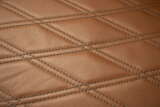
In collaboration with Marelli Automotive Systems UK, Wastea entered a structured innovation and sampling program aimed at developing a new sustainable car interior fabric for automotive use.

Why It Matters

  • Automotive Innovation Activity

    The collaboration was formally structured around the development and trial of a new car interior fabric using sustainable materials.

  • Testing for Real Requirements

    Samples were intended to be assessed within automotive specifications and conditions, not just as a concept exercise.

  • Data-Backed Material Evaluation

    The agreement included material composition, LCA results, CO₂ traceability and available test results as part of the sample package.

  • Pathway to Exclusivity ahead

    If successful, the agreement paves a route into an exclusivity arrangement for the developed sustainable deliverables.

Keyfacts

Challenge 

For Marelli, the challenge was to identify a material pathway that could support stronger sustainability ambitions without stepping outside the expectations of an automotive interior context. A more sustainable material only becomes relevant if it can also be developed, sampled and assessed against automotive specifications, conditions and practical use requirements. This framing is supported by the agreement’s focus on producing and trialling a new car interior fabric using sustainable materials.

Solution

The collaboration with Marelli created exactly that framework. Wastea-based sample materials were to be developed specifically for automotive application, sent on an ad hoc basis for testing and accompanied by relevant evaluation data — including material composition, LCA results, CO₂ traceability and available test results. In other words, the material was not only positioned as a sustainability idea, but as a candidate for structured automotive assessment.


Results

The result of the collaboration was a structured development framework that moved Wastea beyond a purely conceptual sustainability narrative. Together with Marelli, the material entered a formal innovation and sampling process aimed at evaluating its relevance for automotive interior use. What makes this meaningful is not a rollout claim, but the combination of real testing intent, defined documentation requirements and a clearly stated path toward deeper commercial relevance if the innovation activity proved successful.

Structured Development Framework

Wastea entered a formal innovation agreement focused on a new automotive interior fabric.

Automotive Testing Context

The samples were intended for review within automotive specifications and conditions.

Evidence-Based Evaluation

Material composition, LCA results, CO₂ traceability and available test data formed part of the evaluation logic.


A structured development partnership with Marelli shows how sustainable materials begin to qualify for automotive interior use.

Erdem Dogan, Managing Director SUSMATA

Convinced?

If you are looking for material solutions that can support formal sourcing, qualification and specification processes, we would be happy to start the conversation.

Download Technical Specs

Download the technical documentation behind Wastea to explore the material in more detail and review the key information relevant for evaluation, sourcing and application assessment.

Sign up for our Newsletter

Receive selected updates on materials, applications, company developments and new releases from SUSMATA.

Agree