
Toyota

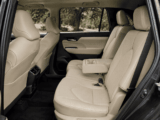
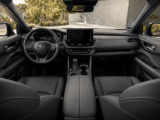
Wastea entered a real automotive design context through a formal purchase process with Toyota Europe Design Development — demonstrating the relevance of plant-based material alternatives in demanding interior applications.

Automotive Wastea

Impact Potential

  • Automotive Relevance

    Wastea entered a real automotive design procurement context rather than remaining a concept-stage material.

  • Sustainability Ambition

    The material points toward lower-impact alternatives in applications traditionally shaped by conventional surface materials.

  • Quality Expectations

    Automotive-related use cases require more than a good story — they demand materials that meet functional and qualitative expectations.

  • Future-Facing Brand Environments

    Material transition in hospitality could help create spaces that align operational reality more closely with evolving sustainability expectations.

Keyfacts

Challenge

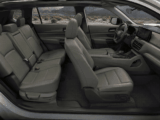
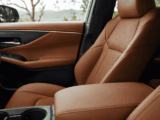
For Toyota, the challenge was not simply to identify a more sustainable material, but to find one that could support a more responsible material choice while still meeting the expectations of an automotive interior context. In such applications, ecological relevance alone is not enough — the material also needs to align with requirements around appearance, feel, consistency and practical usability.

Solution

Wastea addressed this challenge by offering a plant-based alternative that combines a more sustainable material foundation with the qualities required in a professional design and procurement environment. Its relevance lay in bridging two demands that are often difficult to reconcile: ecological ambition and application-ready material performance. The formal purchase process with Toyota Europe Design Development reflects exactly that intersection.


Results

The result was not just interest, but a concrete procurement step. Toyota Europe Design Development issued an official purchase order for Wastea material, showing that the material had moved beyond sustainability positioning alone and into a real automotive design and sourcing context. While this should not be read as a serial vehicle rollout, it is a clear signal of relevance in a demanding application environment.

Beyond Concept

Wastea entered a real automotive workflow instead of remaining a material narrative.

Designed for Demands

The case reflects the need for materials that balance ecological ambition with application fit.

Future Material Shift

It shows how automotive surfaces could evolve when better materials begin to meet real requirements.


Wastea demonstrates how plant-based materials can begin to meet the expectations of demanding automotive interior contexts.

Erdem Dogan, Managing Director SUSMATA

Convinced?

If you are looking for plant-based material solutions that balance sustainability ambitions with demanding application requirements, we would be happy to continue the conversation.

Download Technical Specs

Download the technical documentation behind Wastea to explore the material in more detail and review the key information relevant for evaluation, sourcing and application assessment.

Sign up for our Newsletter

Receive selected updates on materials, applications, company developments and new releases from SUSMATA.

Agree